



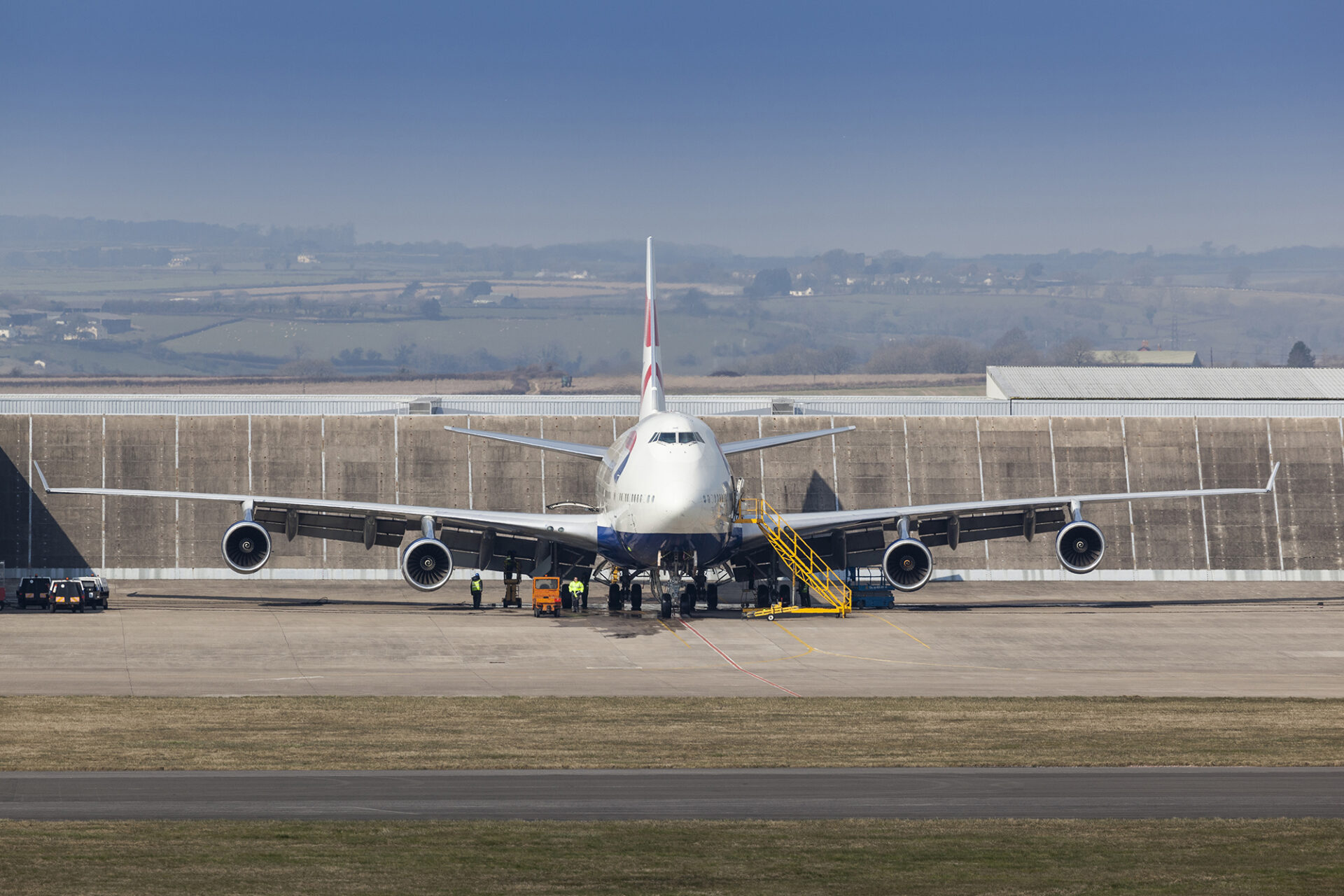
The project has secured a £421,733 investment from Airbus Endeavr Wales, a joint initiative between Airbus Defence and Space and the Welsh Government. This funding will help develop an advanced tool to identify per- and polyfluoroalkyl substances (PFAS), toxic chemicals commonly used in aircraft materials.
PFAS are notorious for their resilience and potential health risks. Found in products such as firefighting foams and non-stick cookware, these chemicals can accumulate in the human body over time, leading to serious health issues, including cancer and liver damage. In the aircraft industry, PFAS contamination is a growing concern, as these chemicals are widely used in various components of aircraft production.
Dr. Kang Li, a lead researcher on the project, explains the significance of the work: “For the aviation sector, detecting and managing PFAS contamination is critical. These substances are used in many aircraft materials, making it essential to identify and mitigate their presence to ensure both safety and environmental sustainability.”
Traditional methods of detecting PFAS are effective but expensive and time-consuming, with challenges in identifying low concentrations of the chemicals. To address this, the team is turning to an advanced technique called Surface-Enhanced Stimulated Raman Spectroscopy (SESRS), which significantly improves the sensitivity of PFAS detection. This method enables the identification of PFAS even at much lower concentrations, making the detection process faster and more accurate.
Dr. Li highlights, “The use of SESRS is a breakthrough in PFAS detection. By amplifying the chemical signature of PFAS, we can achieve more precise results, which is vital for effectively addressing this challenge in the aviation industry.”
The research team at Bangor University has developed a machine learning-based tool that analyses the chemical signatures detected by SESRS. This tool will help rapidly identify the type and concentration of harmful PFAS chemicals in materials used in aircraft production.
Dr. Mosab Bazargani from Bangor University adds, “We’re excited to contribute to sustainable advancements in aviation by applying cutting-edge AI and machine learning techniques. This project is a reflection of Bangor’s long-standing commitment to sustainability and innovation in the aviation sector, and it allows us to explore the full potential of AI to protect human health and the environment.”
Thanks to the support of Airbus Endeavr Wales, the collaboration between USW and Bangor University is pushing the boundaries of what can be achieved through interdisciplinary research. The project brings together expertise in optics, chemistry, and artificial intelligence to develop a comprehensive solution for PFAS detection in the aircraft industry.
Rebecca Evans, the Welsh Government Cabinet Secretary for Economy, Energy, and Planning, praised the project, saying, “The Endeavr programme is dedicated to helping Welsh businesses and academia turn innovative ideas into reality. This partnership between USW and Bangor University demonstrates how Welsh research and collaboration can offer cutting-edge solutions to global industry challenges. I’m proud that Endeavr Wales is helping to support this vital project.”
This funding represents a significant step forward in addressing the growing concern of PFAS contamination in the aviation industry. With Airbus Endeavr Wales’ continued backing, this project will help drive sustainability and safety in aviation, ensuring a healthier and more sustainable future for the industry.